GHK-Cu: Copper-Binding Peptides in Matrix Biology Research
GHK-Cu is among the smallest peptides in common research use and one of the most chemically distinctive, because the metal is part of the molecule rather than an impurity.
Structure and coordination chemistry
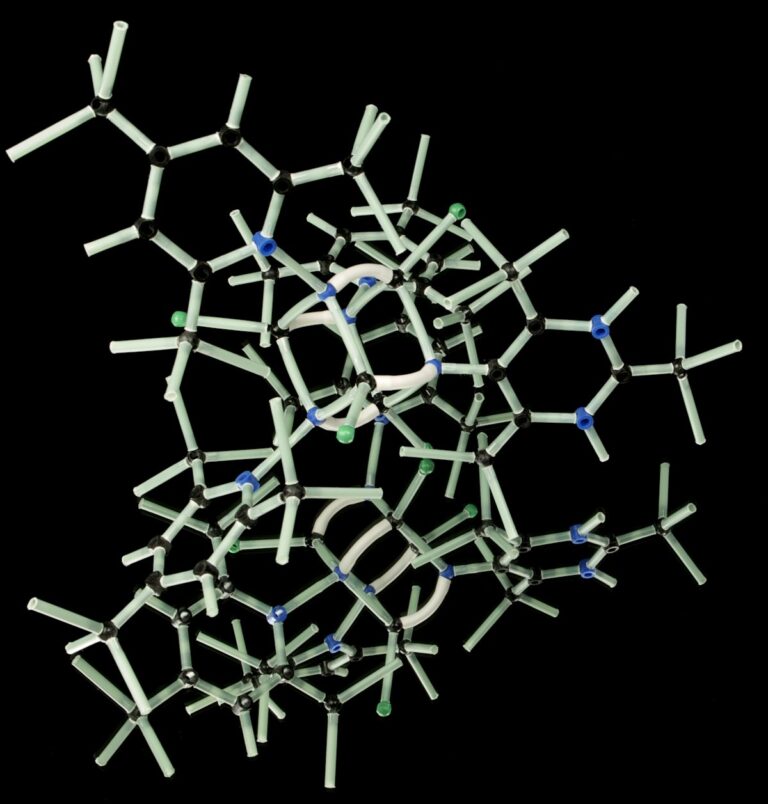
GHK is the tripeptide glycyl-L-histidyl-L-lysine, originally isolated from human plasma2. It binds copper(II) with high affinity through the histidine imidazole nitrogen, the N-terminal amine, and backbone nitrogen, forming a defined square-planar complex. This coordination chemistry is well characterised and is what distinguishes GHK-Cu from the uncomplexed peptide, which behaves differently.
Why copper is biologically relevant
Copper is a required cofactor for several enzymes central to connective tissue biology, notably lysyl oxidase, which catalyses the cross-linking of collagen and elastin fibres. Copper homeostasis is tightly regulated because free copper participates in redox chemistry capable of generating reactive oxygen species. Peptide-bound copper is an area of interest partly because complexation alters how the metal is handled and delivered.
What the research literature examines
Published work has investigated GHK-Cu in the context of extracellular matrix remodelling, including effects on collagen and glycosaminoglycan synthesis in fibroblast culture, and on wound-healing models in animals. A separate strand of research has used transcriptomic profiling to examine broad gene-expression changes1 in cultured cells exposed to the peptide, reporting effects across pathways associated with tissue remodelling and antioxidant response. Plasma GHK concentrations have been reported to decline with age, which is frequently cited as motivation for the field.
Interpreting the evidence
Much of the literature is in vitro or in animal models, and a considerable portion of the topical research sits in the cosmetic science literature, where endpoints and controls differ from those in biomedical studies. Copper-peptide chemistry is genuinely well defined; the translation from that chemistry to complex tissue outcomes is where interpretation should stay careful.
References
- Pickart L, Margolina A. Regenerative and protective actions of the GHK-Cu peptide in the light of the new gene data. Int J Mol Sci. 2018;19(7):1987. doi:10.3390/ijms19071987
- Pickart L. The human tri-peptide GHK and tissue remodeling. J Biomater Sci Polym Ed. 2008;19(8):969–988. doi:10.1163/156856208784909435
Disclosure. This article is educational and summarises published scientific literature. It is not medical advice, and it does not describe outcomes you should expect. These statements have not been evaluated by the Food and Drug Administration, and the products discussed are not intended to diagnose, treat, cure, or prevent any disease. The products discussed are supplied for laboratory and research use only and are not for human or veterinary use, administration, or consumption. For adults 21 and over.